How to Strip Peeling Paint from Rendered Walls Safely
@riverdxyq142
November 24, 2026 · 8 min read
Peeling paint on rendered walls is a common problem across Melbourne's northern suburbs, from Brunswick, Coburg and Preston through to Reservoir, Epping, Craigieburn and Greensborough. The region's clay-heavy soils, hot summers, cold snaps and occasional heavy rain all put stress on masonry and paint systems. Stripping failed paint properly, and doing it safely, is the foundation of any repaint that lasts. This guide explains why paint peels from render, how to assess risks such as lead paint, and the step-by-step methods that protect you, your home and the surrounding environment.
Why Paint Peels from Rendered Walls
Before removing paint, it helps to understand why it failed. Stripping and repainting without fixing the cause usually leads to the same peeling within a year or two.
Moisture Behind the Render
Rising damp, leaking gutters, failed flashings, blocked downpipes and garden beds built up against the wall are leading causes of paint failure. Moisture moves through the render and pushes the paint film off from behind. Look for tide marks, salt deposits (efflorescence), bubbling paint and a damp or musty smell. Many older brick homes in Northcote, Thornbury and Coburg also have blocked or covered weep holes and sub-floor vents, which worsen moisture problems.
Poor Surface Preparation or Incompatible Paint
Paint applied over dust, chalking, algae or a previous failing coat will not bond properly. Using a non-breathable or low-quality paint on masonry can also trap moisture. Render is alkaline when new, and painting before it has cured fully (usually at least 28 days, longer in cool weather) can cause adhesion failure and discolouration.
Age and UV Exposure
Melbourne's strong summer UV breaks down paint binders over time. North- and west-facing walls often deteriorate first, showing chalking, fading, cracking and eventually flaking.
Check for Lead Paint First
Lead-based paint was widely used in Australian homes until the 1970s, and some products contained lead into later decades. Many older homes in the northern suburbs, including weatherboard-and-render combinations, federation and interwar houses, may have lead in older paint layers, even beneath newer coats. Dry sanding, scraping or burning lead paint produces toxic dust and fumes that are especially dangerous for children and pregnant women.
- Test before you start: Use a lead test kit from a hardware store as a first indicator, or engage a licensed consultant for laboratory testing if the house was built before 1980.
- Assume lead if unsure: Treat any pre-1980 paint as potentially lead-based until proven otherwise.
- Avoid dry methods: Do not dry sand, use heat guns at high temperatures, or use open-flame burners on suspected lead paint.
- Seek professional help: If lead is confirmed, consider a painter or contractor experienced in lead-safe work practices. Guidance is available from the Victorian EPA and the Australian Government's lead paint resources, including the national Lead Alert information.
Safety Equipment and Site Preparation
Whether or not lead is present, stripping paint creates dust, chips and sometimes chemical exposure. Good preparation reduces health risks and cleanup time.
Personal Protective Equipment
Wear a properly fitted P2 respirator at minimum (a P3 or half-face respirator with appropriate filters is preferable for suspected lead or heavy dust), safety glasses or goggles, chemical-resistant gloves, long sleeves, long pants and sturdy footwear. Disposable coveralls make cleanup easier. Wash work clothes separately from household laundry.
Protecting the Surroundings
Lay heavy-duty plastic drop sheets over garden beds, paths and any hard surfaces below the work area, and secure them tightly against the wall. Close windows and doors, cover vents and seal gaps. Move pets, toys and outdoor furniture away. Check the weather forecast and avoid windy days, as Melbourne's northerly winds can spread dust and flakes across neighbouring properties.
Working at Height Safely
For single-storey walls, a stable platform or scaffold tower is safer than a ladder. For two-storey homes, which are common in newer estates in Craigieburn, Mernda and Doreen, scaffolding set up by a licensed provider is strongly recommended. Falls from height remain one of the leading causes of serious injury in home maintenance.
Methods for Stripping Peeling Paint from Render
The right method depends on how much paint is failing, how sound the render is, and whether lead is present.
Hand Scraping and Wire Brushing
For small areas of loose, flaking paint, a stiff paint scraper and wire or nylon brush work well. Remove only the loose and poorly bonded paint, then feather the edges of the remaining coating. Mist the surface lightly with water first to reduce dust, particularly if lead is a concern. Avoid aggressive scraping that gouges soft or sandy render.
Low-Pressure Water Blasting
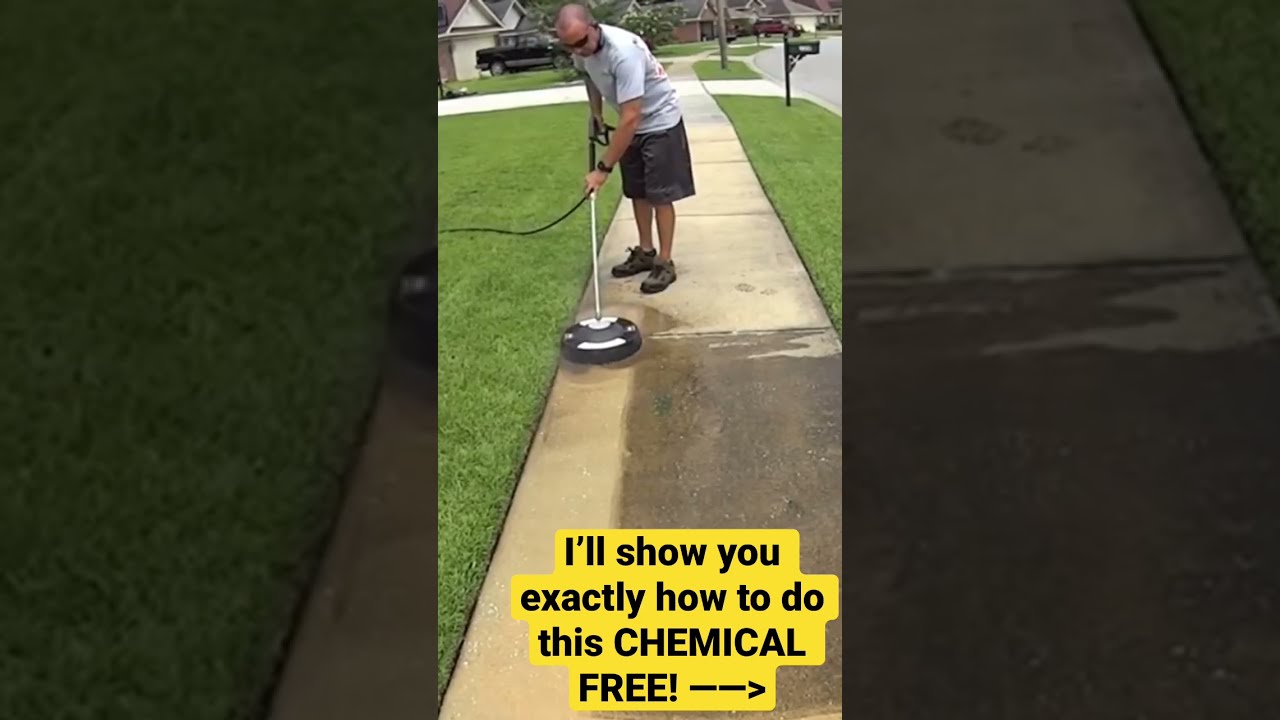
Water blasting is a common choice for large areas of peeling masonry paint. Use a moderate pressure setting (typically around 1,500 to 2,500 psi for sound render) and keep the nozzle at a consistent distance, using a wide fan tip. Too much pressure can erode the render surface, force water into cracks and drive moisture behind the wall. If lead paint is present, wash water and debris must be contained and disposed of correctly, so this method is best left to professionals with lead-capture systems. Allow the wall to dry fully, often several days in cooler months, before continuing.

Chemical Paint Strippers
Chemical strippers can soften multiple layers of paint on textured or detailed render. Modern low-toxicity, solvent-free or caustic-free gels are safer than older methylene chloride products, which have been heavily restricted in many jurisdictions. Always follow the manufacturer's instructions, test a small area first and neutralise the wall afterwards, as residues can prevent new paint from bonding. Collect waste in sealed containers and do not wash residue into stormwater drains.
Mechanical Sanding with Dust Extraction
Orbital sanders or grinders fitted with HEPA-rated dust extraction can remove stubborn paint while capturing most of the dust. This approach suits small to medium areas and is a more controlled option than open dry sanding. Render can be abrasive on sanding discs, so expect to replace them frequently.
Methods to Avoid
- Open-flame blowtorches, which can crack render and ignite hidden materials
- Dry sanding without extraction, especially on older homes
- High-pressure blasting directly into cracks or damaged render
- Abrasive blasting without proper containment and licensing
Step-by-Step Process
A methodical approach gives the best results and reduces risk. Follow these stages in order.
- Inspect the wall: Tap the render to find hollow, drummy sections that indicate delamination. Mark cracks, damp areas and failed patches.
- Fix the moisture source: Repair gutters, downpipes, flashings and drainage. Lower garden soil levels to at least 75 mm below the damp-proof course where possible.
- Test for lead: Confirm results before choosing a removal method.
- Set up protection: Install drop sheets, scaffolding and personal protective equipment.
- Strip the loose paint: Use the most suitable method for the wall condition, working from top to bottom.
- Clean the surface: Wash away dust, algae and mould with a suitable cleaner or fungicidal wash, then rinse and allow to dry.
- Repair the render: Cut out cracked or hollow sections, patch with a compatible render mix and allow proper curing time.
- Prime and paint: Apply a quality masonry sealer or primer, followed by two coats of a breathable, exterior-grade acrylic masonry paint.
Repairing Render Before Repainting
Stripping often reveals underlying render problems. Hairline cracks can usually be filled with a flexible masonry filler, while wider or recurring cracks may indicate movement in reactive clay soils, a common issue across parts of Melbourne's north. Hollow or blown render should be cut back to sound material and replaced. Matching the texture and mix of the existing render helps the repair blend in once painted. Persistent or structural cracking is best assessed by a qualified builder or engineer.
Choosing the Right Paint After Stripping
Select a premium exterior masonry paint designed for render, ideally one that is breathable, UV resistant and mould resistant. Water-based acrylic products are widely used and have lower odour and easier cleanup than solvent-based options. Many Australian paint brands now offer low-VOC ranges, and in 2026 heat-reflective and cool-roof style exterior colours are increasingly popular for managing summer heat. Light to mid-tone colours generally show less thermal stress and fading than very dark shades on sun-exposed walls.
Weather and Timing
Aim to paint when temperatures sit between roughly 10°C and 30°C, with no rain forecast for at least 24 to 48 hours. In the northern suburbs, autumn and spring often offer the most stable conditions. Avoid painting in full midday sun or during hot northerly winds, which can cause rapid drying, poor adhesion and visible lap marks.
Waste Disposal and Environmental Responsibility
Paint chips, wash water and chemical residues should never enter stormwater drains, which flow directly to creeks and the Yarra and Maribyrnong river systems. Collect solid waste in heavy-duty bags, seal them and check with your local council or the Victorian EPA for disposal guidance, especially if lead is involved. Councils in the northern suburbs, including Merri-bek, Darebin, Whittlesea, Hume and Banyule, provide information on hazardous waste drop-offs and Detox Your Home events. Unused paint can often be https://pressurecleaningmelbournenorthernsuburbs.com.au/mould-removal/ taken to a recycling program such as Paintback.
When to Call a Professional
Consider engaging a licensed painter or renderer when:
- Lead paint is confirmed or strongly suspected
- The job involves two storeys or difficult access
- Render is cracked, hollow or damp across large areas
- Peeling returns after previous repainting attempts
- The property is heritage listed, as local overlays in suburbs like Brunswick, Northcote and Carlton North may influence colours and methods
Ask for a written quote that outlines the preparation method, products, number of coats, waste handling and warranty. Check licensing and insurance, and ask about experience with rendered masonry specifically.
Final Thoughts
Stripping peeling paint from rendered walls safely comes down to diagnosing the cause, testing for lead, using the right method for your wall's condition and finishing with a quality breathable paint system. Taking time over preparation and moisture control protects your home's appearance and value, while sensible safety and waste practices protect your family and the local environment. With the right approach, a repainted render finish in Melbourne's northern suburbs can last for a decade or more.
Melbourne Northern Suburbs Pressure Cleaning
(03) 8820 1424